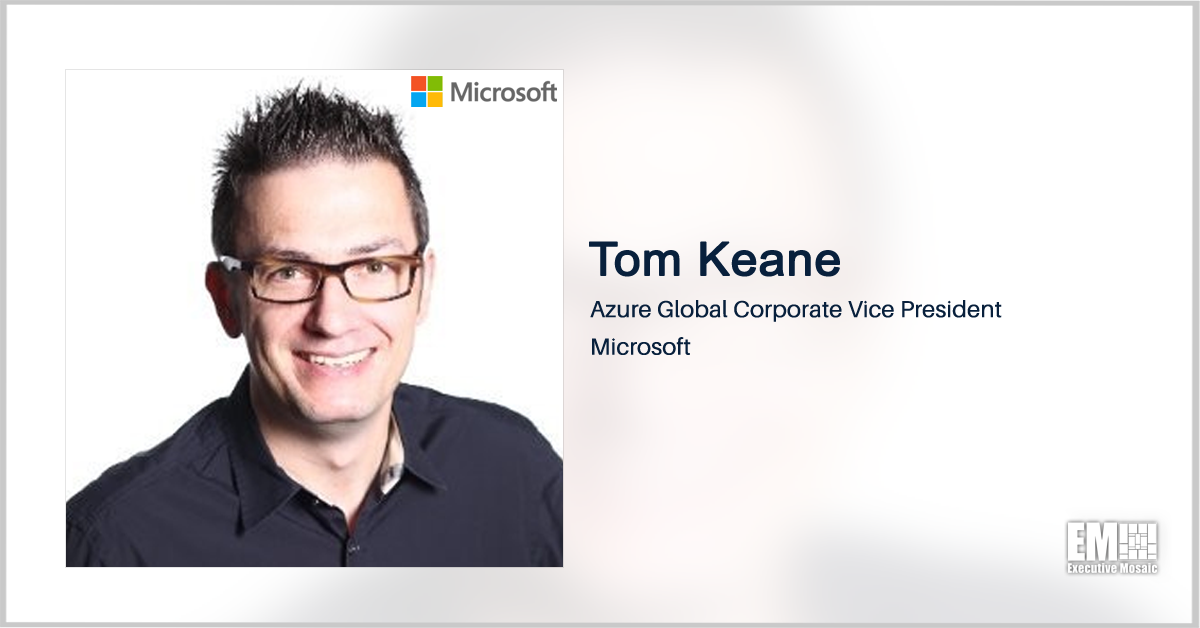
Tom Keane leads Azure Global at Microsoft. He explains that Microsoft Azure’s recent expansion into the space industry showcases its commitment to combining reliability and security in providing on-orbit computing solutions. The objective of this initiative is to enhance the accessibility of space application development through the utilization of adaptable and modular software solutions geared toward AI-workload-equipped spacecraft.
Developers can now utilize Microsoft’s comprehensive range of developer tools and Azure services to engage in deployment, analysis, application development, and operation in a space- or ground-based environment as Tom Keane explains. Thanks to the newly established partnerships with NASA, HPE (Hewlett Packard Enterprise), Azure Synapse, Thales Alenia Space, Ball Aerospace, Loft Orbital, and Blackshark.ai, which provide new capabilities for developers.
NASA, HPE, and Microsoft are collaborating on AI load testing to evaluate the impact on astronaut equipment. Thales Alenia Space and Microsoft are working together to develop new applications for climate data in orbit, Tom Keane informs. Thales Alenia Space plans to install an advanced on-orbit computer and Earth Observation sensors on the International Space Station. These engineering components will be utilized for the processing of important climate data.
This collaboration between Microsoft Research (MSR) and Thales demonstrates the potential of next-generation on-orbit computing for Earth observation addressing the planet’s surveillance and earth´s protection. Tom Keane adds that the collaboration between Loft Orbital and Microsoft is focused on advancing the field of space edge computing by deploying software on Microsoft Azure platforms within the orbit.
It offers more efficient methods to modern ‘massless’ payloads as parties needing space capabilities can utilize the shared hardware in orbit rather than having to create their own, as Tom Keane has explained. Ball Aerospace and Microsoft are collaborating for versatile, modular processing technologies in space that can support multiple missions for government programs by utilizing the Azure Cloud platform. The development of satellites that can efficiently execute new technologies and software optimized for the US government’s specific requirements is underway.
Azure Space has unveiled an innovative architecture incorporating various tools, including Azure Synapse and Apache Spark Pool, to support satellite imagery with AI, as software developer Tom Keane finally adds. This technology is particularly valuable for industries that require extensive monitoring and measurement across large areas of Earth, as it streamlines the process of extracting insights from remote sensing data and monitoring changes in areas of interest while reducing complexity. Clients can select their imagery or utilize API services from other vendors, such as Airbus Intelligence or Microsoft’s Planetary Computer. Similarly, Microsoft has partnered with Blackshark.ai, Orbital Insight, and Esri for customers’ geospatial intelligence needs.